Table of Content
For an idea on how a lender will react to your income, you can figure out your debt-to-income ratio. The number includes your monthly debts and what you would take on with a new home, divided by your monthly income. By checking this number yourself, you can get an idea of your budget when searching for a home and applying for loans.
But your lender decides how much, if any, of the increase they would pass on. But the hike in the base rate is bad news for those on tracker mortgages or their lender’s Standard Variable Rate. Finding the best mortgage rates in a sea of mortgage deals is hard work.
Is now a good time to buy a house?
Now 3 business days later, we're close to the highest levels in a month. The information is based on consumers that fit a certain profile, such as the loan is for a primary residence and their FICO score is 740 or higher. So you may qualify for different rates if your personal circumstances don’t align with the survey criteria.

Make sure you have income proof – Many people do not know that your loan application may be rejected. Only a few NBFCs accept such cases but then they give high rates. There’s another reason why people might be drawn to purchasing a home today, rather than waiting for the market to shift in favor of buyers. Concerns about inflation and rising prices are making many people wonder if interest rates are likely to go up soon. It introduced new phrases, like “indoor dining” and “pandemic pod,” to people’s vocabulary.
How to find a good mortgage rate
The APR gives you an idea of how much you’ll pay each year for a loan, but it doesn’t account for compounding interest. It’s important to note that even though the interest is an APR, mortgage interest is calculated each month based on the outstanding principal. Therefore, lenders allocate standard mortgage payments to the interest charges first each month, then to the principal. Financial institutions express interest rates for mortgages and other common consumer loans as an Annual Percentage Rate, or APR. The APR appears as a percentage of the principal, or outstanding loan amount; this percentage is the amount you’ll pay each year on your loan. All lenders must disclose the APR of a loan they offer; this allows consumers to compare loans to each other.
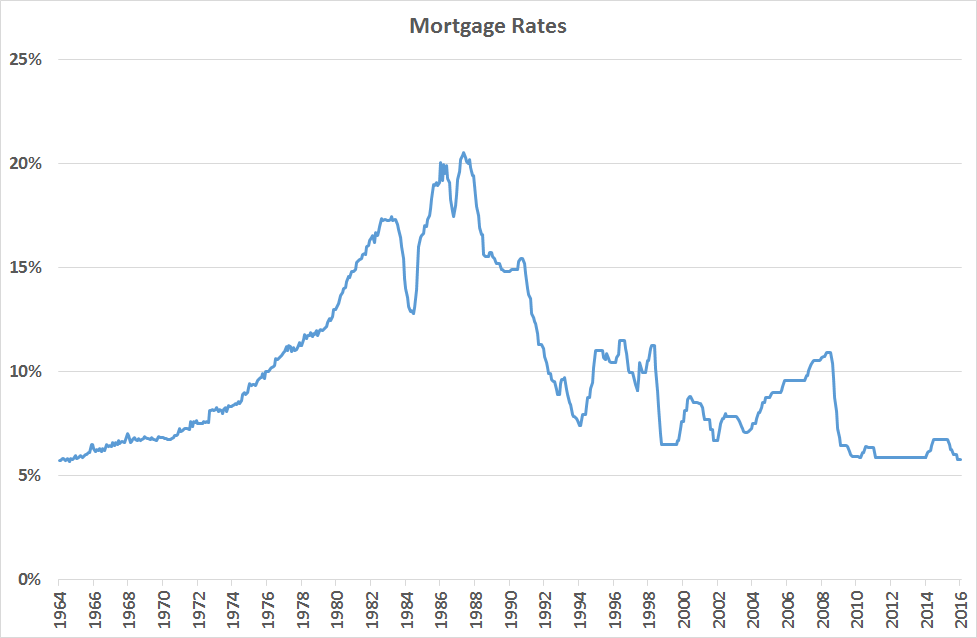
While the Federal Reserve does not actually set mortgage rates, they do set thefederal funds rate which is the rate banks charge each other for loans. When the Federal Reserve lowers the federal funds rate, it also pushes down borrowing costs for banks who can then extend those benefits to lenders by offering better mortgage rates. The Bank of England may have increased interest rates again this month but rates on fixed rate mortgages are still dropping across the board. And with Standard Variable Rates increasing it’s vital to check your deal. Read on for the best rates, including fees, best remortgaging deals, best 5 year fixed rate, Buy To Let mortgage deals, green mortgage deals and more this month. While each lender will have somewhat different requirements, expect to provide documents that show proof of your income, homeowners insurance, credit score and monthly debt obligations.
How to Ensure You Get the Best Refinance Rate
Whether a 15-year mortgage is worth it depends on your individual circumstances and financial goals. You’ll generally have a higher monthly payment with a 15-year loan compared to a 30-year loan of the same amount—so if you need a lower monthly payment, a 30-year loan might be a better option. ✝ To check the rates and terms you qualify for, SoFi conducts a soft credit pull that will not affect your credit score. First, if you have debt, you’re likely paying a lot of money in interest. This money could be going toward other things like a mortgage payment once you pay off your debt. Second, carrying a large amount of debt means you lower your chances of approval for a home loan.
With the lowering of the repo rate, you’re in a favourable position as a property investor in that you’re more likely to qualify for a home loan at a better repayment rate. But even when the interest rate isn’t necessarily in your favour, it’s possible to negotiate a better home loan interest rate with certain banks in several ways. Yes, 15-year mortgages typically come with lower rates than 30-year mortgages. Along with the shorter term, this could save you a significant amount of money compared to what you’d pay on a 30-year mortgage. However, if you need a lower monthly payment and don’t mind paying more in interest, then a 30-year term could be a better fit for your needs.
Having a higher credit score, a larger down payment, a low DTI, a low LTV, or any combination of those factors can help you get a lower interest rate. Though the Fed does not directly set mortgage rates, the central bank's policy actions influence how much you pay to finance your home loan. If you're looking to buy a house, keep in mind that the Fed has signaled it will continue to raise rates into 2023, which would likely continue to drive mortgage rates upward.
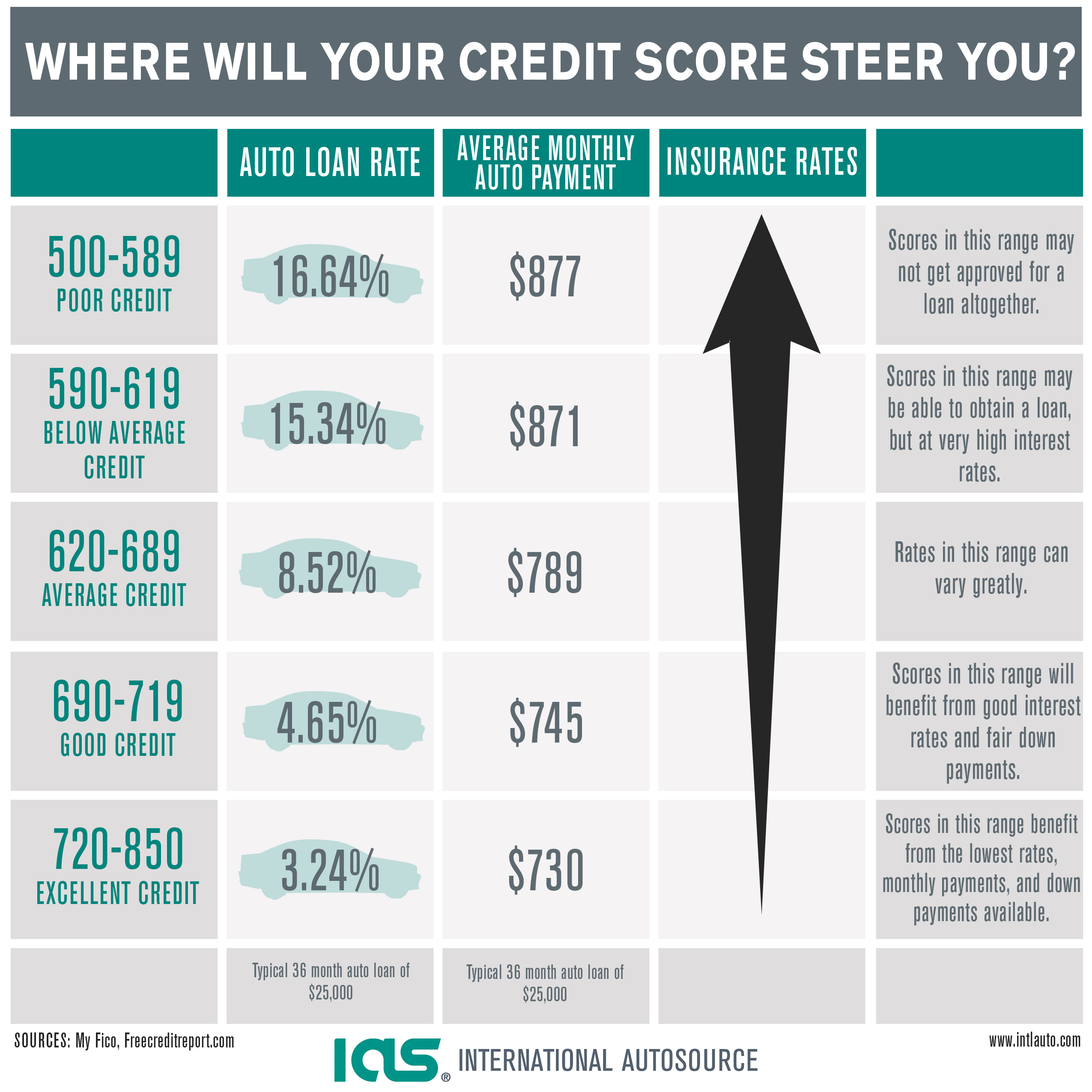
The biggest advantage to a 30-year mortgage is the ability to spread loan payments out over the maximum amount of time. That keeps the monthly payment much more affordable and makes homeownership accessible to more people. Find out if a 30-year fixed-rate mortgage is the right type of home loan for you and compare current rates for 30-year mortgages. When you apply for a mortgage, the lender will review your credit to determine your creditworthiness as well as your interest rate. In general, the higher your credit score, the better your rate will be. To get an idea of where you stand, check your credit before you apply and dispute any errors with the appropriate credit bureau to potentially boost your score.
There are many loan options out there, and some of the primary ones are as follows. As mentioned, lenders will provide you with a better mortgage rate if they are confident you can pay them back. Most lenders will look at how much debt you currently have in comparison to your income, the type of down payment you can afford to put down and your cash reserves. The more confident lenders are about your ability to pay them, the better your rate will be. The takeaway here is to live within your means, so don’t apply for a jumbo mortgage — anything over $460,000 — if your annual income is $30,000.
Still, even with zero down, be prepared to pay closing costs and other fees. A VA funding fee which ranges from 1.4% to 3.6% of your loan amount and showing that you have 2 months’ worth of mortgage payments in a reserve fund. It’s best to always check and review your credit before applying for mortgage loans to see where you stand, since it can be difficult to qualify for lower rates with bad credit. Visit AnnualCreditReport.com to get a free detailed copy of your credit report from all three major credit bureaus. Sometimes, even your credit card companies may provide you with a free FICO score.




No comments:
Post a Comment